
The Power of Collaboration in Cell Culture
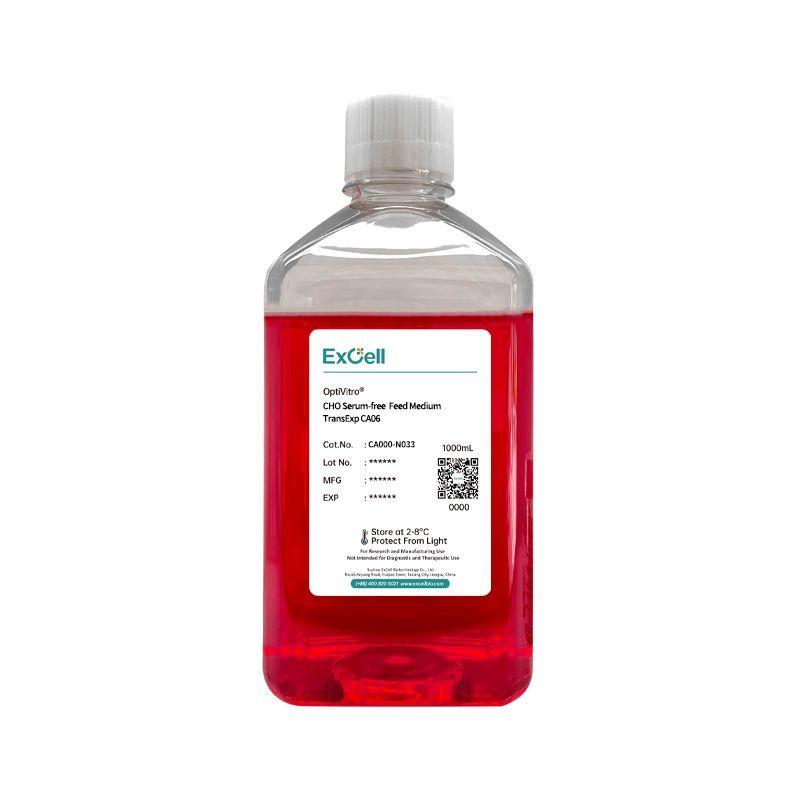
Imagine a laboratory where researchers from diverse fields come together, combining their insights and expertise. Recent studies show that collaborative projects yield 30% more innovative solutions than isolated efforts. So, how do we enhance this synergy in cellular research? That’s where hek cell culture media comes in, providing an optimized environment for HEK293 cells, a key player in biopharmaceutical applications.
But What’s the Real Challenge?
The issue isn’t just about using great media; it’s about knowing how to use it effectively. Many researchers overlook the specifics of culture conditions, leading to lower viability and inconsistent results. I remember a project where we struggled for weeks, only to realize that our media wasn’t properly adjusted for our needs. Such common pitfalls can be avoided with the right approach.
Looking Ahead: An Enhanced Future in Cell Culture
As we peer into the future of cell culture, it’s evident that collaboration will continue to drive our innovation. When working with hek cell culture media, we need to share more than just lab space—we must share knowledge and techniques. This not only strengthens our research but fosters a culture of continuous improvement.
What’s Next for Researchers?
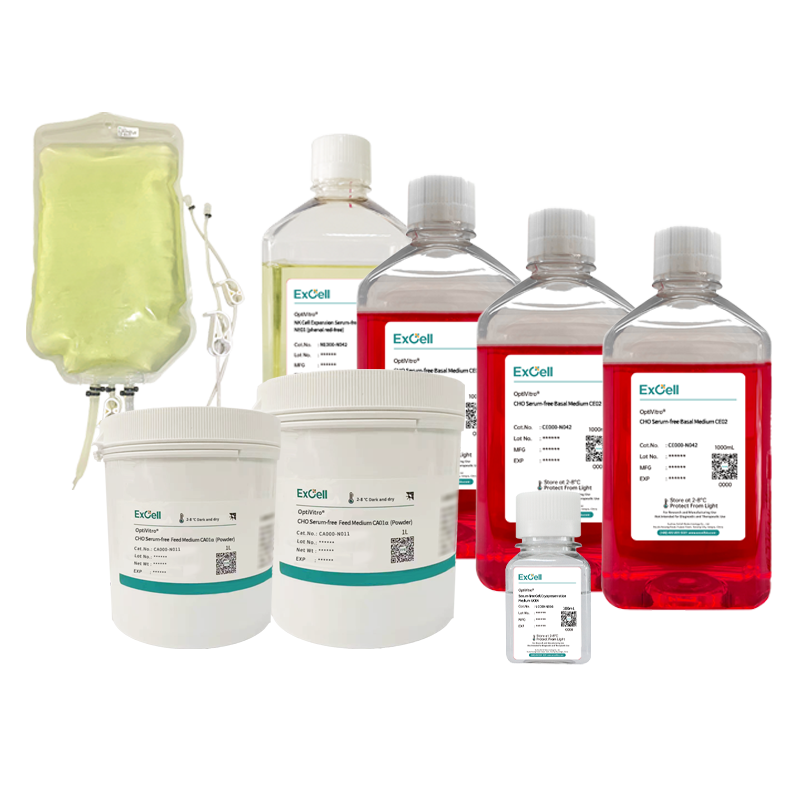
Integrating frameworks like open-source data sharing could elevate our collective efforts. Think about this: What if each lab contributed findings about their specific applications of HEK media? The potential for breakthroughs is enormous. In my experience, when we openly discuss results—even failures—the learning curve becomes much shorter. Not to mention the priceless insights that can arise from informal chat over coffee.
Lessons and Considerations
Reflecting on our discussions, it’s clear that moving forward requires intentional collaboration. Here are three key evaluation metrics I recommend when selecting cell culture solutions: adaptability of media composition, consistency of results, and ease of use in a collaborative environment. Keep these in mind as you define the benchmarks for your research. Remember, success in the lab often hinges on the willingness to adapt and share. I know this because, in my years of experience, I’ve seen firsthand how small adjustments in our approach lead to big results.
Conclusion: The Human Element in Science
In the end, our healthcare environment is driven by collaboration, curious minds, and a willingness to learn. As we work with HEK293 media, never forget that science is as much about people as it is about processes and methods. I urge you to embrace every opportunity to collaborate and share insights in your journey. This isn’t just about the science; it’s personal. Together, as we innovate, we can revolutionize what’s possible! Check out unparalleled solutions at ExCellBio for your cell culture media needs.