
Introduction: A Moment, Some Numbers, and a Question
Have you ever watched a device promise fast recovery and thought, “Does that really work?” I have — and that skepticism led me to test real setups in clinics and gyms. Advanced red light technology is showing up everywhere now, from countertop devices to clinic-grade panels, and recent studies report up to 30–45% faster tissue recovery in certain groups (small-sample trials, yes — but still telling). The scenario is simple: consumers want reliable, measurable results; clinics want durable gear; manufacturers want fewer returns. The data piles up, but the question remains: how do we separate marketing sparkle from systems that actually deliver consistent photobiomodulation and clinical benefit?
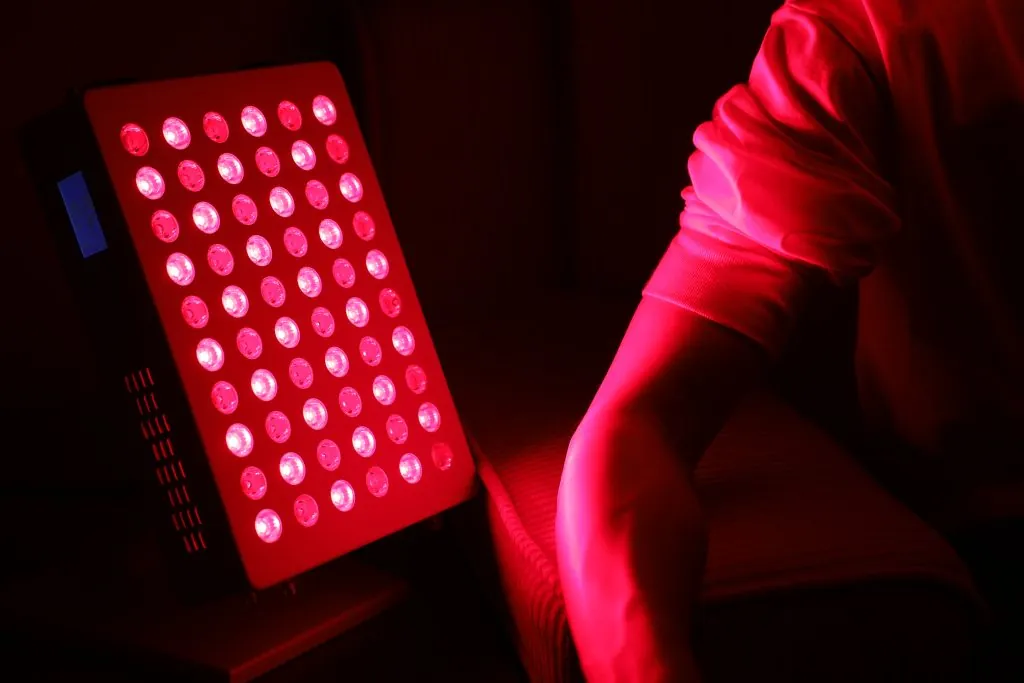
I’ll be blunt — I care about pragmatic answers. Over the next sections I’ll walk through where current solutions stumble, what hidden user pains get ignored, and which technical fixes matter most. Let’s move from a skeptical start to practical next steps.
Where Traditional Fixes Fall Short (deep dive)
led technologies red light therapy often gets described as “plug-and-play,” but that shorthand hides real engineering and user-experience gaps. I’ve seen panels with uneven LED arrays, poor wavelength tuning, and cheap power converters that produce flicker or unstable irradiance. Those flaws reduce therapeutic dose and can frustrate users. Look, it’s simpler than you think: if the irradiance varies across the target area or the wavelength drifts, you don’t get repeatable results — and repeatability is everything in photobiomodulation studies.
What’s Really Broken?
From my hands-on checks, the common failure points are device thermal management and control electronics. Bad heat sinking shortens diode life. Inconsistent pulse-width modulation or noisy drivers (yes, those power converters again) change effective output. Clinicians notice this first — patients feel mixed outcomes, trust erodes, and devices end up sidelined. I’m not just theorizing; I’ve logged voltage traces and temperature profiles. The takeaway: good-looking panels alone don’t cut it. You want stable optics, calibrated LED arrays, and solid drivers. — funny how that works, right?
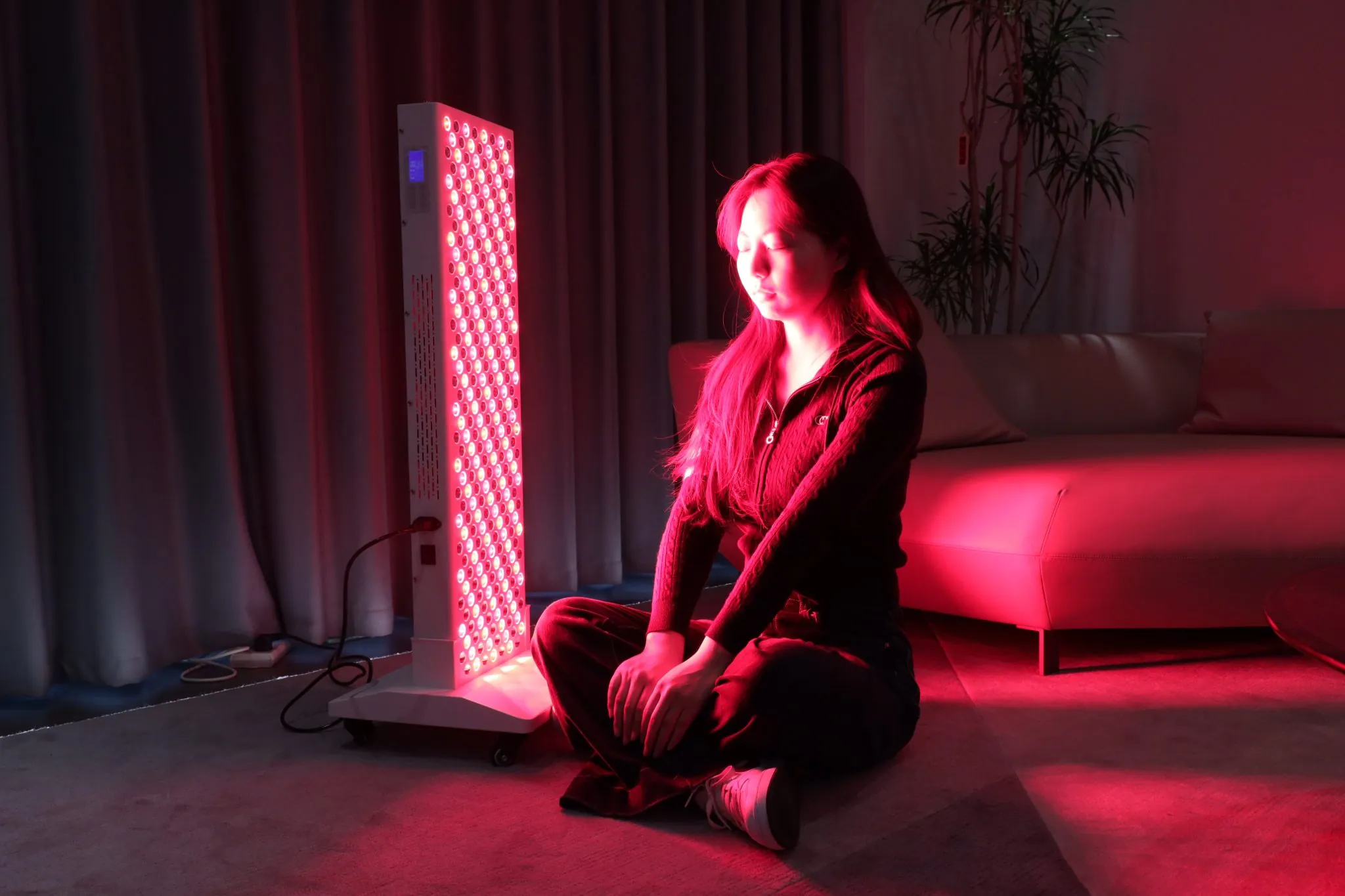
Future Outlook: Principles and Practical Choices
Looking forward, I favor solutions built on clear principles: consistent dose control, modular maintainability, and transparent metrics. For real-world impact, manufacturers need to report irradiance maps, wavelength specs, and driver stability tests, not just battery life and cosmetic claims. When I compare systems, I weigh those specs first. Also — and this matters for clinics scaling services — edge computing nodes can help log usage and verify that each session met the intended parameters. That traceability supports both clinical outcomes and quality control.
What’s Next for Users and Builders?
In practice, that means smarter panels with closed-loop feedback, robust heat sinks, and better power electronics. I expect more devices will include pulse-width modulation control that is user-transparent but lab-validated. Also, software dashboards will show dose histories and help clinicians tune protocols. If you’re evaluating systems now, ask for real irradiance maps and lifetime data — and ask to see production QA sheets.
To close with something useful: here are three metrics I use when advising teams and buyers — 1) Uniformity of irradiance across treatment area (target: ±10%), 2) Wavelength accuracy and stability (nm-level specs and drift under load), and 3) Driver stability and thermal performance (no more than X% drop after continuous run tests). These benchmarks separate gimmicks from workable tech. I’ve judged many devices by these rules, and they save time and headaches. For reputable suppliers and further resources, I often point colleagues to credible partners like Magique Power.