
The Decision at Hand
Lighting choices decide margin and mood. For any chandelier supply company, that is not a slogan; it’s a daily KPI. Picture a multi-property hotel group refreshing three lobbies on a tight timeline, debating whether to specify bubble glass chandeliers or stick with a familiar, plain-globe package. Data says maintenance minutes per fixture can drop by 20–30% when optics and drivers are matched well, while guest sentiment on “warmth” often rises in post-renovation surveys (small changes, big signals). Yet teams still ask: which option wears better, installs faster, and hits energy targets without inviting warranty claims? The stakes are real—downtime costs, return freight, site labor, even dimming complaints that ripple into brand reviews.
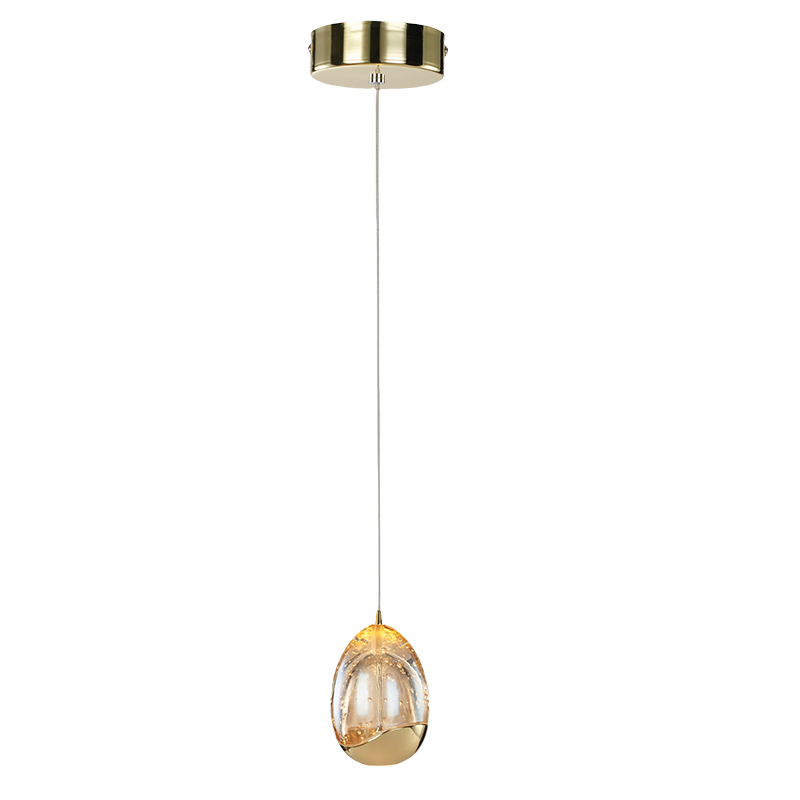
Here’s the core question we’ll answer: how do you balance aesthetic payoff with operational control, and why do bubble-glass forms often surprise specifiers on lifecycle performance? Let’s unpack the gap before we set the strategy.
Where Traditional Choices Fall Short
What’s the catch?
Traditional multi-globe fixtures look simple, but they hide complex risks. Legacy assemblies often mix third-party driver circuitry with inconsistent sockets, which can strain thermal management when fixtures run long hours. Heat build-up shortens LED lifespan and drifts color temperature—funny how that works, right? You see it in uneven lumen maintenance and slight color shift across a cluster. Add in mismatched dimming curves and you get flicker at low levels, especially on older TRIAC systems. That’s not just annoying; it inflates call-backs. In photometric testing, minor optical variances also produce hotspots on floors and tables, which feels “cheap” even when the BOM wasn’t. The result: more field tweaks, more vendor emails, more delay.
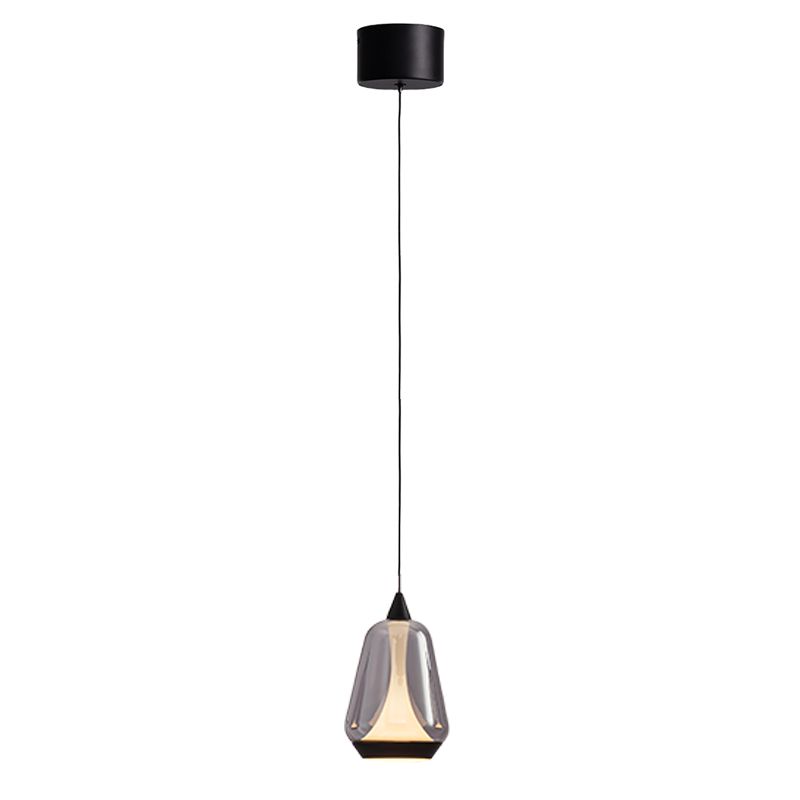
Now, look at bubble glass chandeliers through a practical lens. The textured globes diffuse output, smoothing glare while masking slight LED source-point visibility. That means fewer complaints about brightness “pinning” in high-ceiling spaces. When built with integrated heat sinks and tuned power converters, the package runs cooler, and drivers hit better power factor correction under load. Look, it’s simpler than you think: controlled optics reduce re-aiming; solid thermal paths protect the LED engine; consistent harnessing lowers install time. And when the system supports 0–10V or DALI, dimming stability improves across a wider range. Less fiddling on day two equals fewer tickets week twelve.
Comparative Principles: From Craft to Scalable Spec
What’s Next
Let’s shift from problems to principles. The new benchmark blends material science and control logic. Bubble-textured glass is not only a style cue; it’s a micro-lens field that evens illuminance while protecting the eye from direct source glare. Pair that with constant-current drivers that manage ripple and harmonics, and you protect both visual comfort and electrical health. In comparative lab runs, ensembles designed like a 14 globe pendant light show steadier dimming at sub-10% levels when driver firmware maps to the control protocol (0–10V, DALI, or DMX). Less noise on the line, fewer nuisance trips, better load diversity across circuits—small wins that add up. And the supply side matters: pre-terminated harness kits and consistent canopy geometry reduce ceiling time, which is where budgets leak.
So how do you choose with confidence—today and next quarter? Use a comparative, forward-looking checklist. First, validate thermal pathways with real dwell data: does junction temperature hold under continuous run? Second, inspect dimming compatibility beyond the spec sheet: request a curve printout with the actual control gear you’ll deploy. Third, ask for uniformity metrics from a quick photometric pass, not just lumen totals. Advisory close: three metrics decide it—1) driver integrity under low dim levels (no shimmer), 2) thermal stability after 2–4 hours of continuous operation (no rapid color shift), 3) installation efficiency indicators like pre-wired looms and mounting repeatability (no surprises at height). Choose fixtures that hit those marks, and your teams cut rework while your clients see consistent glow—exactly what they pay for. When in doubt, align vendors on testing protocols and sample sign-offs—then lock the spec with confidence. For deeper technical context and product architecture insights, see kinglong.