
Why mechanical resilience matters for external storage
If you’re choosing an external all-in-one energy system, the case that holds the battery matters as much as the cells inside. Outdoor deployments face rain, dust, temperature swings, and shock from transport or installed environments, so understanding enclosure IP rating and vibration testing lets you compare real-world durability. I usually start with a practical spec sheet for a solar battery storage system and work backward: what IP level do I need, and has the unit passed relevant vibration and shock tests?
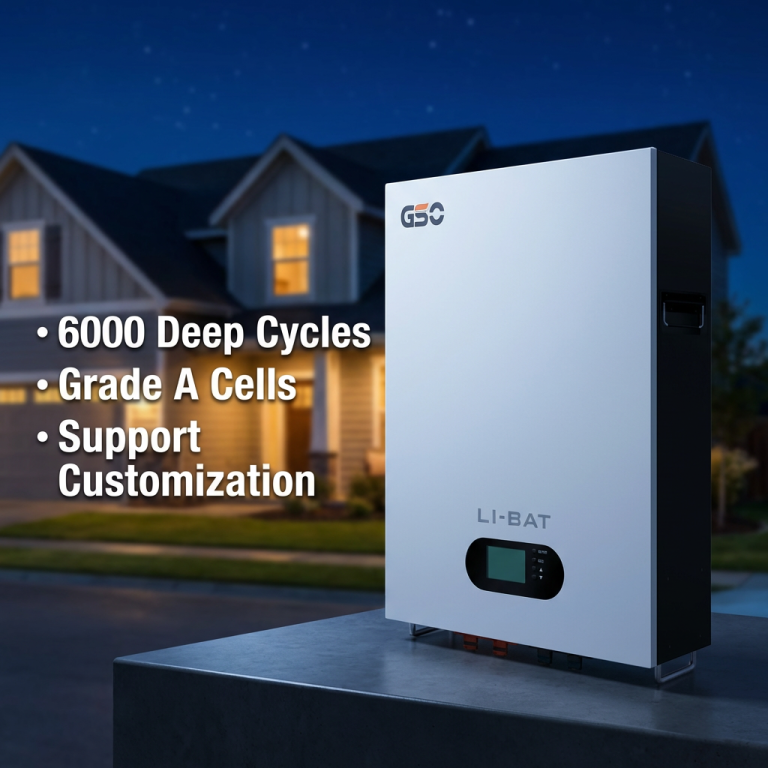
What IP ratings and vibration tests actually tell you
IP rating describes ingress protection—two digits: solids then liquids. An IP65 shell keeps out dust and low‑pressure water jets, while IP66/IP67 raises that tolerance to stronger jets and short-term immersion. Vibration testing, often specified to IEC or MIL standards, shows whether internal components and connections survive sustained vibration without performance drift. For field units, those two specs combined predict installation confidence, transport safety, and long-term reliability.
Comparative checklist: how to evaluate systems side-by-side
When I compare boxes, I use a short checklist that balances electrical performance with mechanical resilience. Industry terms to watch for include BMS (battery management system), cycle life, and depth of discharge (DoD).
Key comparative points:
- IP rating (target IP65 minimum for exposed walls; IP66–67 for harsher coastal or flood-prone sites)
- Documented vibration testing standard (e.g., IEC 60068 series or equivalent)
- Enclosure material and corrosion resistance (stainless or powder-coated aluminum for longevity)
- Internal mounting design (shock mounts, reinforced trays, cable strain relief)
- BMS features that compensate for thermal or mechanical stress
- Battery chemistry and cycle life—lithium-ion NMC vs. other chemistries and expected calendar life
Real-world anchor: lessons from field outages and installations
Events like California’s Public Safety Power Shutoffs have made resilient storage a practical necessity for many homeowners and businesses. Installations near wildfire zones or coastal areas exposed to high winds demand higher IP and verified vibration resilience—otherwise frequent service calls become expensive. Choosing a system that pairs a rugged enclosure with a competent BMS reduces downtime and maintenance visits.
Common selection mistakes and practical alternatives
People often pick a unit for capacity alone and skip mechanical specs. That’s a mistake. A high-capacity pack with a weak enclosure or no documented vibration testing will fail sooner in mobile or exposed setups. Instead, weigh capacity against enclosure rating and certified testing. If you need mobility—say a vehicle-mounted or shipping-container system—prioritize vibration testing and reinforced mounts. For stationary backyard installs, focus on IP rating and corrosion resistance.
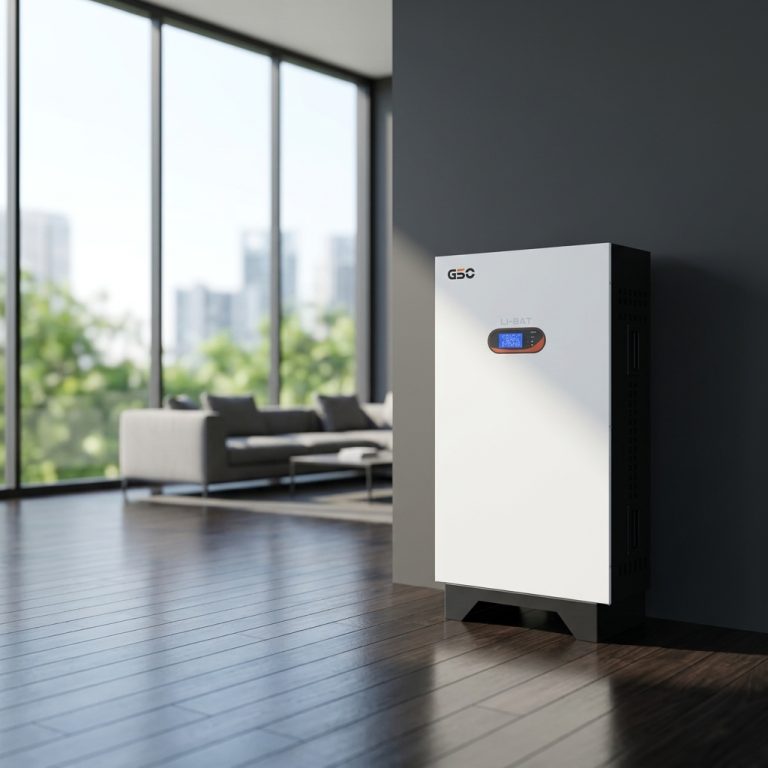
Alternatives worth considering: modular stacks that allow swapping in resilient, smaller modules; or wall-mounted vs. pad-mounted enclosures depending on site risk. And yes—choose chemistry sensibly. For long daily cycling, higher cycle life lithium chemistries are worth the premium. For guidance on cell choices and system pairings, look into the available options for best batteries for solar power storage.
Summary of comparative insights
Mechanical resilience is not a secondary spec—it’s a performance multiplier. An IP-rated housing plus proven vibration tolerance protects electrical integrity, preserves cycle life, and reduces service calls. Compare BMS features too, because intelligent management will mitigate the impact of thermal and mechanical stress over time.
Golden rules for selecting external all-in-one storage
1) Prioritize IP and tested vibration standards together—don’t accept one without the other. 2) Match battery chemistry and cycle life to your expected usage pattern and DoD; the cheapest cell often costs more in replacement labor. 3) Inspect mechanical design: look for shock mounts, strain reliefs, and corrosion-resistant materials—these small details cut failures dramatically.
Choosing well saves money and headaches. gsopower ties those design and testing principles together in practical products—providing the rugged boxes and competent BMS you want. —