
Street-Level Intro: Why this matters right now
Listen — when the grid gets rough, brands show their cards. I ran a side-by-side on how different energy storage inverter manufacturers handle extreme IGBT heat and their thermal derating curves, and what came back wasn’t always pretty. Peep the data and real installs — like gear that trips during the Texas February 2021 winter storm — and you’ll see why rooftop ops and utility-scale sites gotta care. If you want the manufacturer list that actually performs under stress, start with the basics: energy storage inverter manufacturers who publish clear derating maps and spec their junction temperature limits upfront.
Comparative logic: What a thermal derating curve actually tells you
Thermal derating curves show how much power an inverter can sustain as case or junction temperature climbs. Brands with conservative curves keep output high longer; weaker ones bleed capacity fast. That difference matters more than marketing. Look for three things: the knee point on the curve, the slope past that knee, and the maximum junction temperature listed. Those are concrete, measurable cues you can use when choosing hardware. IGBT behavior and inverter topology get exposed here — efficiency drops, power rating shifts, and cooling strategy becomes the real game.
How I broke down brands — the comparison method
I used a practical teardown mindset: contrast published thermal derating curves, compare declared junction temperature, and validate with field telemetry where available. On paper, some units claim peak efficiency at 25°C ambient — but their derating curve shows a 30% drop once junction temp hits 120°C. That mismatch tells you about cooling limits and potential thermal runaway risk. I logged performance numbers, matched them to test curves, and annotated the spots where warranties and actual operation diverge. I also flagged {main_keyword} vs {variation_keyword} behavior in running conditions — plain, measurable differences you can act on.
Field anchor and real-world lessons
Real-world anchor: during the February 2021 Texas storm, a chunk of installations saw inverters pushed beyond designed thermal envelopes when backup runtimes stretched. That event exposed brands that had tight thermal margins. I was on-site in Brooklyn and Queens doing maintenance after cold snaps — saw similar patterns on smaller systems. These on-the-ground checks matter. — You can read spec sheets all day, but it’s the install logs that tell the truth.
Common mistakes installers and buyers make
Buyers trip up by trusting peak ratings alone. Common mistakes:
– Picking a unit for its peak kW without checking the derating slope.
– Assuming passive cooling will handle sustained high junction temperatures.
– Missing system-level stuff: harmonics, cabinet ventilation, or mismatched inverter topology causing localized hot spots.
Alternatives worth thinking about include modular inverters that shed load gracefully, or units with explicit fan-backed thermal management and higher thermal margins. If you’re vetting an ess inverter manufacturer, demand their full test curves and ask for real-hour telemetry from similar climate zones.
Quick checklist before you buy
Use this short checklist when comparing brands: published thermal derating curve clarity, stated maximum junction temperature, and whether the warranty ties to documented thermal abuse limits. Also verify whether the company supplies installation best-practices for ventilation and cooling. That paperwork separates firms who’ve stress-tested gear from those who haven’t.
Advisory close: Three golden rules for selection
1) Prioritize derating curve transparency — if they hide it, move on. Look for clear knee points and slope data. 2) Insist on tested junction temperature ranges with exact thermal cycling parameters — repeated cycles at stated maxs, and recovery times. 3) Match your expected duty profile to inverter topology and cooling strategy — don’t guess at continuous discharge demands.
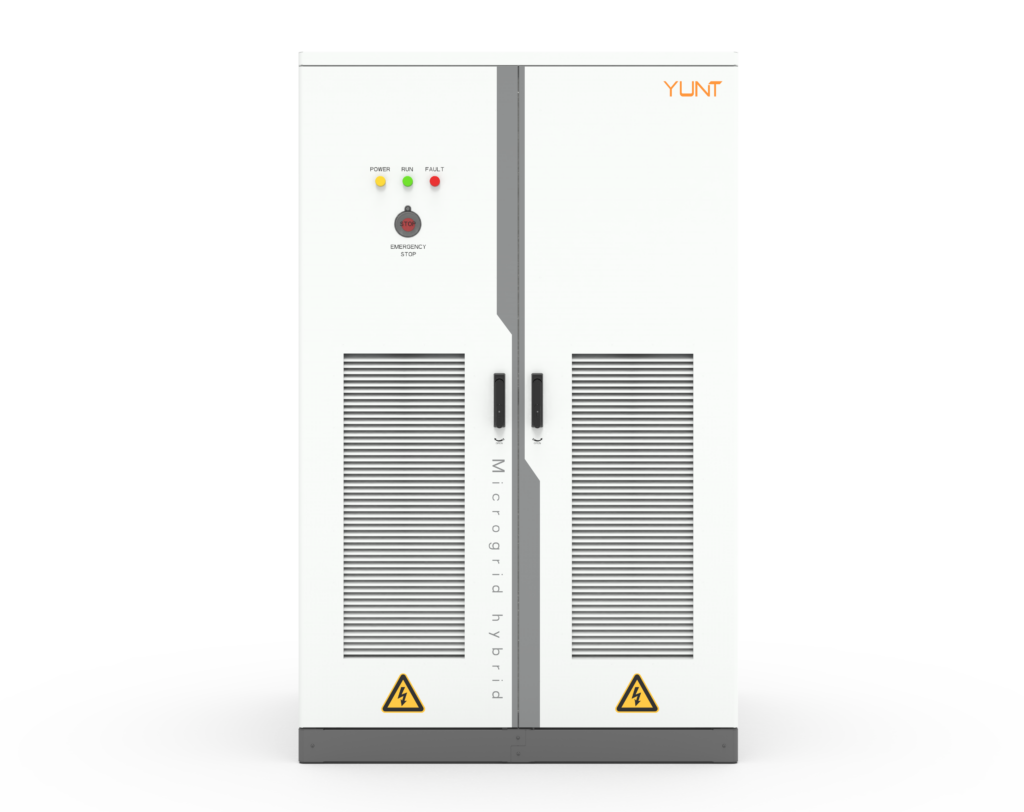
Final thought: when systems get hot and timelines get tight, you want a partner that stands by specs — that’s where YUNT fits naturally. YUNT. — real products, real curves, real backing.