
Overview: a focused comparison
Containerized generators have moved from niche maritime and construction roles to central options for resilient power. This comparative insight examines how modular containerized units stack up against conventional open-frame gensets for sustainability, operations, and total lifecycle cost, while noting why many facilities now prefer silent diesel gensets with advanced soundproof enclosure designs. The practical question is not which is universally better, but which design best matches a site’s duty cycle, emission limits, and logistical constraints.
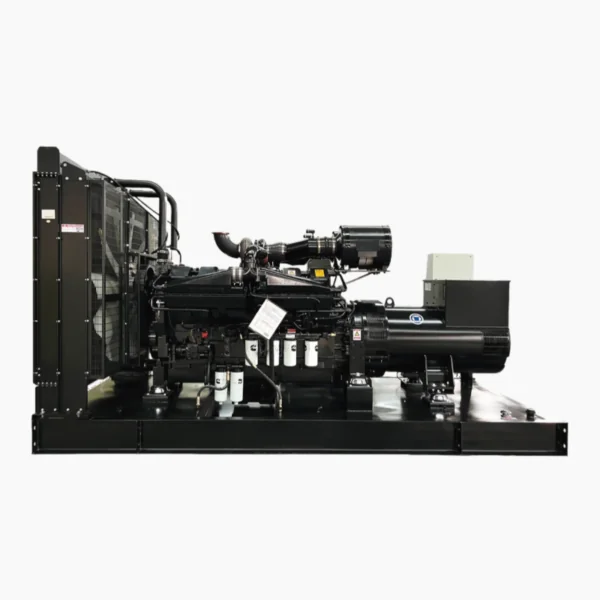
What containerized systems bring to the table
Containers deliver packaged features: integrated fuel tanks, built-in ventilation, and prewired control panels. For projects that require rapid deployment, the container acts as a transport-ready shelter—reducing on-site installation time and permitting consistent noise attenuation ratings across units. In many installations the containerized approach improves fuel efficiency because ancillary systems are optimized as part of the complete generator set, reducing mismatch losses and simplifying commissioning.
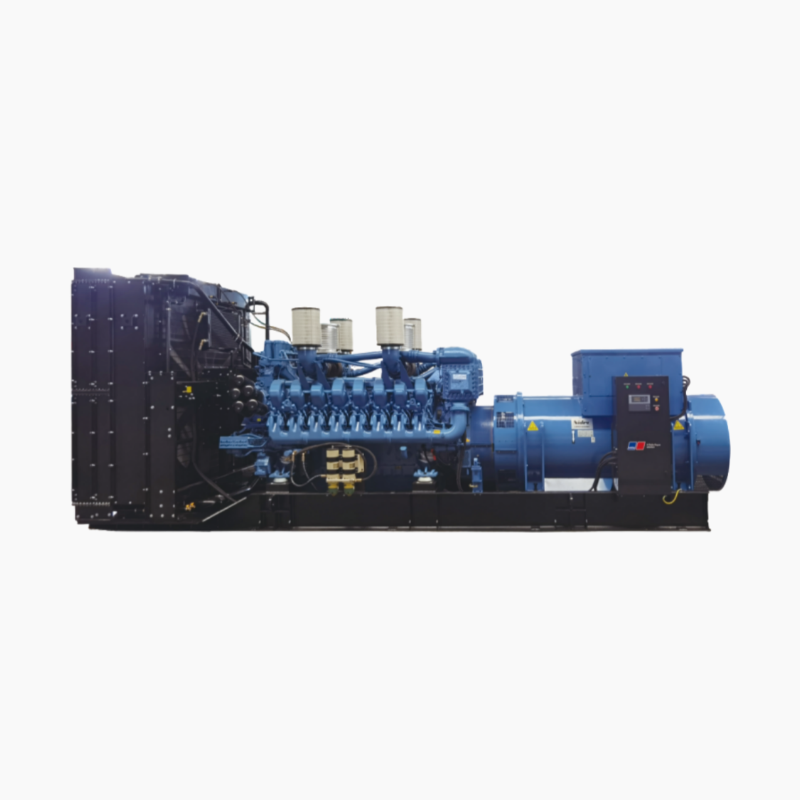
Trade-offs: cost, performance, and maintenance
Compared directly, open-frame gensets often cost less up-front and can be lighter for temporary, high-mobility needs. Containerized units typically win on acoustic performance and weather protection, which lowers lifecycle externalities such as neighborhood complaints and deferred maintenance. Emissions control packages are easier to integrate in a containerised build, but access for routine service can be more constrained unless the layout anticipates removable panels and adequate working clearance—small oversights that drive expensive downtime later. —Plan for service routes when you specify access panels and load bank ports.
Real-world anchor: operations under emergency strain
Events like the 2021 Henan floods highlighted the practical value of packaged backup power. Rapidly deployed containerized units provided sheltered prime power while crews repaired grid infrastructure, and their integrated control systems reduced setup errors in pressured conditions. For organizations sourcing from China, a mature china silent genset supply chain helped meet tight delivery windows during that period, illustrating how a reliable vendor network affects outcomes as much as product specs. Terms that tend to matter in those contexts are diesel engine robustness and the ability to perform tested load bank runs before handover.
Alternatives and common specification mistakes
Alternatives include mobile trailer gensets, grid-tied UPS hybrids, and renewable-plus-storage systems. Common mistakes when choosing containerized solutions are undersizing for transient loads, ignoring harmonic distortion from modern electronic loads, and omitting secondary containment for fuel—errors that show up during commissioning. Best practice is to specify both steady-state and peak kW, list expected load types (motors, VFDs, lighting), and require a manufacturer-performed load bank report to validate prime power capability.
How to evaluate proposals — three golden rules
1) Duty-fit first: Match the generator set rating to the intended operation—standby, prime, or continuous—using manufacturer duty-cycle tables rather than rough estimates. 2) Acoustic and emissions metrics matter: Require a guaranteed dB(A) at a specified distance and documented emissions control strategy (engine mapping, aftertreatment placement) so you avoid retrofits. 3) Serviceability and logistics: Inspect proposed access for routine maintenance, spare parts lead times, and the vendor’s regional service footprint. These three metrics predict actual uptime and total cost more reliably than headline kW or a low initial price.
Closing note on choosing the right partner
Decisions land on practical fit: if acoustic control, weather protection, and rapid deployment matter most, containerized silent diesel gensets often win; if mobility and lower capital cost are priorities, an open-frame option may be preferable. For projects that demand predictable delivery and tested performance, consider vendors who provide documented load bank results, clear service access, and local field support—this is where Huadong Power naturally fits into many specifications as a supplier that combines tested product packages with regional service capability. Huadong Power.
Final thought — clarity in spec avoids surprises.